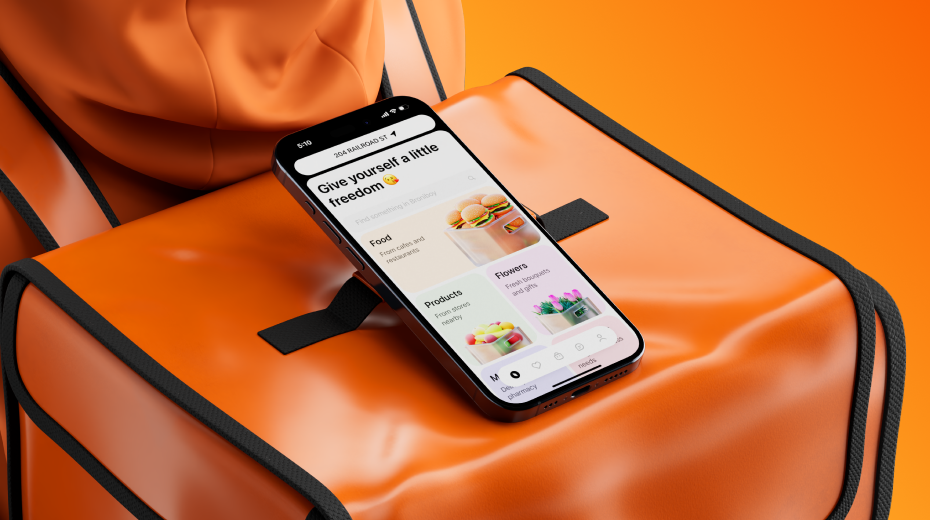


Bound. Find it, get there, earn
Every mall has its own app. Bound cuts through them all—one app for the full visit: finding a spot, navigating inside, paying for parking, earning cashback.
A retail holding came to us with a focused brief: bring several shopping destinations together under one rewards hub. We looked at why mall apps fail first. The answer shaped everything.
Why mall apps don't work
Mall apps are honest about their priorities. They're built to retain, re-engage, and collect data. Users sense this immediately and find no reason to keep the app around. Points systems, tier levels, expiring rewards — these mechanics assume a user who is already committed. Getting to that commitment is the actual problem, and most apps skip it entirely.
The market reflects this. Navigation tools like Google Maps and city aggregators do well at helping people choose and get somewhere. Mall-specific apps do reasonably well at in-venue navigation. Nobody does both. Nobody follows the user across the full journey — from deciding where to go, to getting there, to shopping, to coming back.
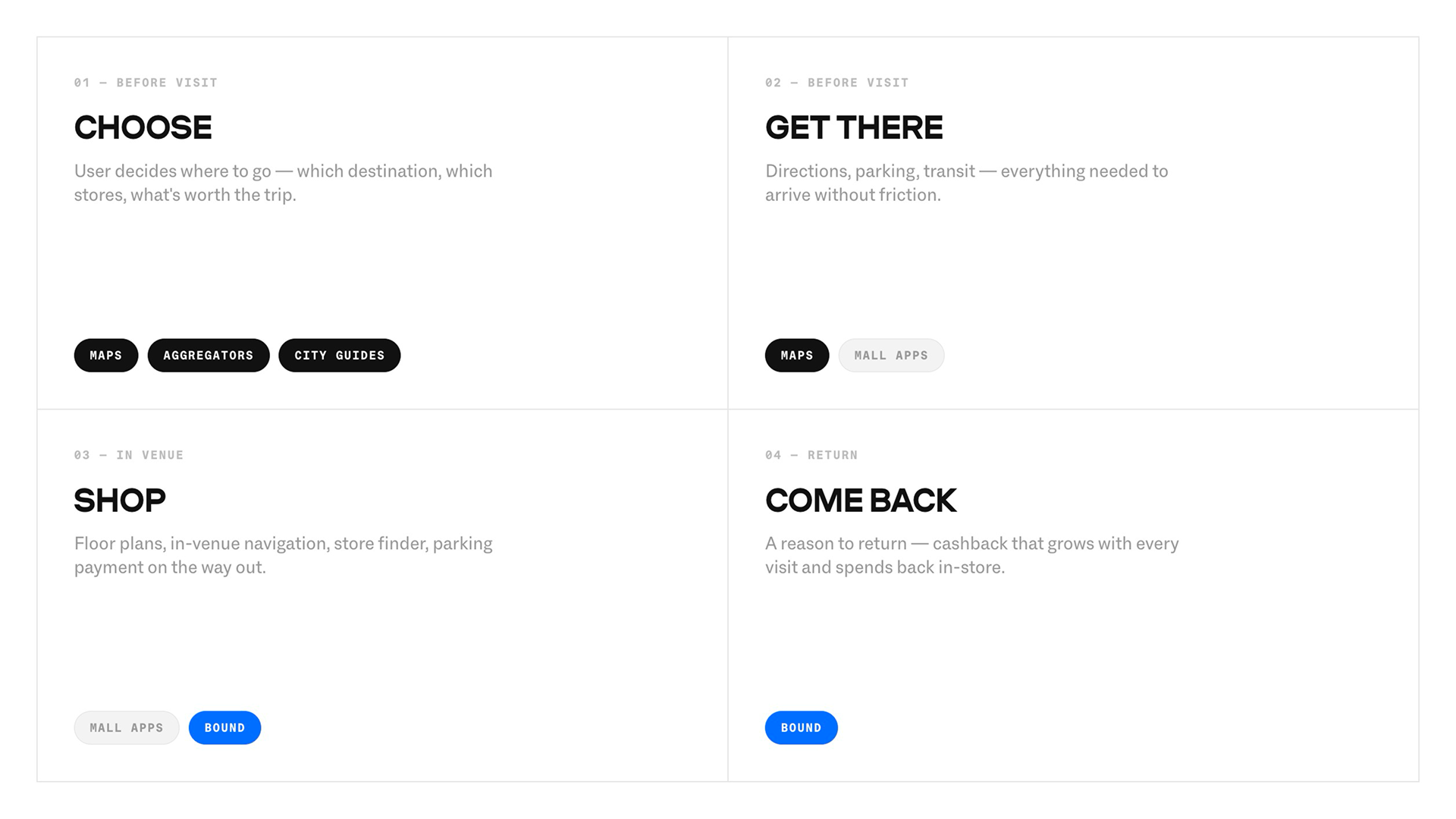
We proposed a shift in scope
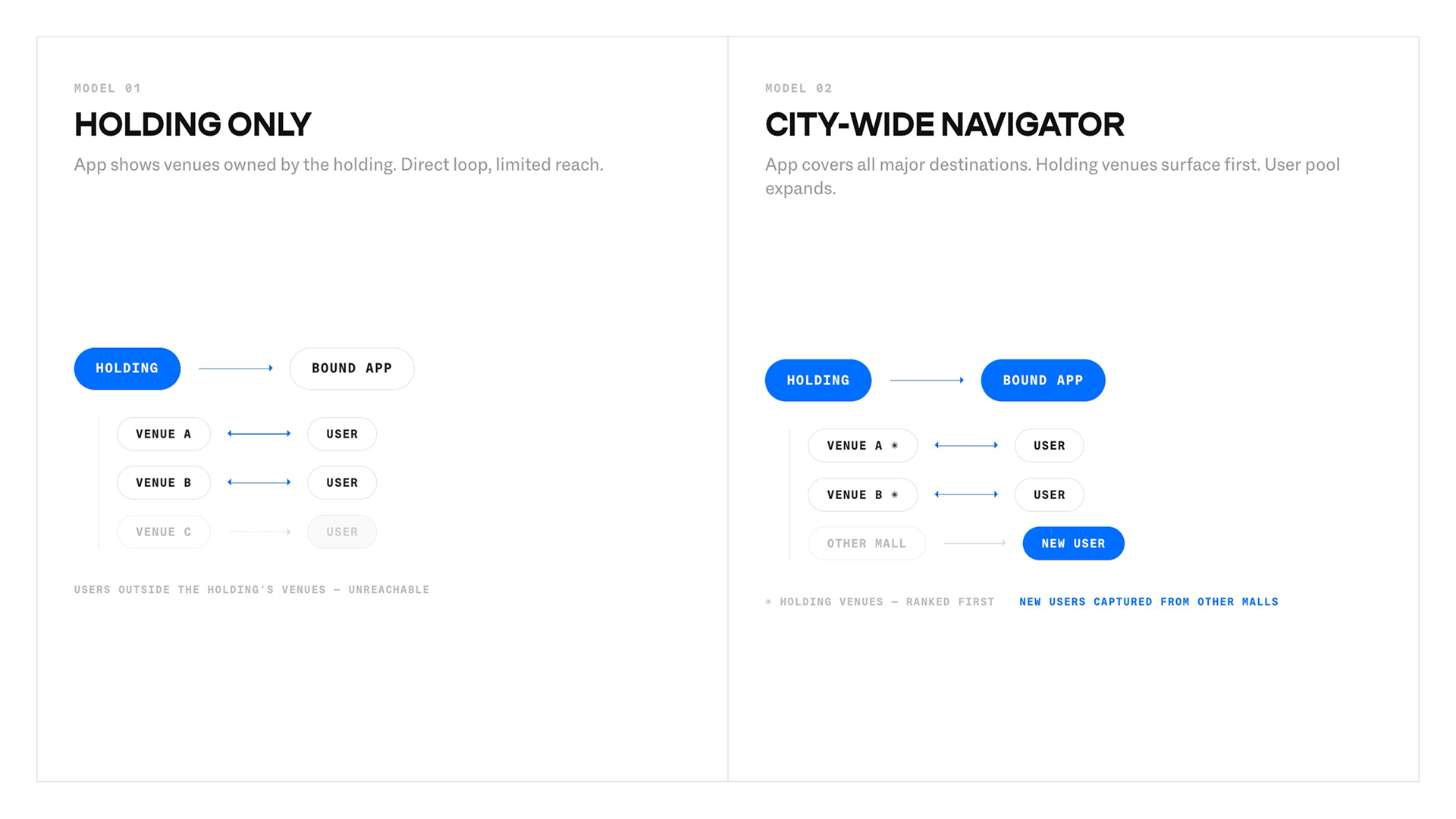
Bound is a city-wide shopping navigator — covering all major retail destinations, regardless of who owns them. The holding's venues appear at the top of curated collections and search results, as part of organic ranking.
The reference point was aggregator logic: users trust services that show all options. A navigator tied to one ownership group is a brochure. A neutral navigator with broad coverage becomes a utility — something people open before they decide where to go.
The second model takes longer to build. It also builds something that has value independent of the holding's current portfolio size — a product that scales.
Bound connects four participants
The holding owns the venues and sets the strategic direction. Venues are the physical destinations — malls, mixed-use complexes, markets. Stores are the individual tenants inside each venue. Users are the shoppers.
Each has distinct needs. Users want speed, clarity, and a reason to open the app. Venues want foot traffic and visibility among tenants. Stores want qualified visitors — people ready to buy — and someone to share the cost of attracting them. The holding wants cross-traffic between its venues and consolidated data on how people move through them.
Bound serves all four through the same product. The rewards hub is the mechanism that connects them economically.

Bound works in two directions
You're bound for somewhere. And the places worth going are bound together.
The name carries movement and connection — the two things the product delivers. It reads cleanly across app stores, outdoor signage, and conversation. It needs no explanation in any English-speaking market.
The visual language follows the same logic: spatial, directional, precise. Coordinates and pathfinding as a design system. The UI communicates function before aesthetics. Nothing decorative for its own sake.
Rewards
The existing category default is a points system with conditions. Earn rate varies by store, points expire on a schedule, tiers unlock different multipliers. Understanding the system requires effort before the user gets any value from it.
Bound uses cashback. One unit spent equals one unit earned. The balance is visible at all times. Stores that accept it are marked throughout the app. There are no conditions to read.
The cashback card lives inside the app and works like a payment card at participating stores. Users see what they have, see where to use it, and make the connection themselves.
The app follows the user across four stages of ashopping trip
Choose. The main feed surfaces curated collections of destinations, filtered by proximity, category, and cashback availability. The holding's venues are positioned at the top of relevant collections. Users can also browse a full city map and filter by destination type.
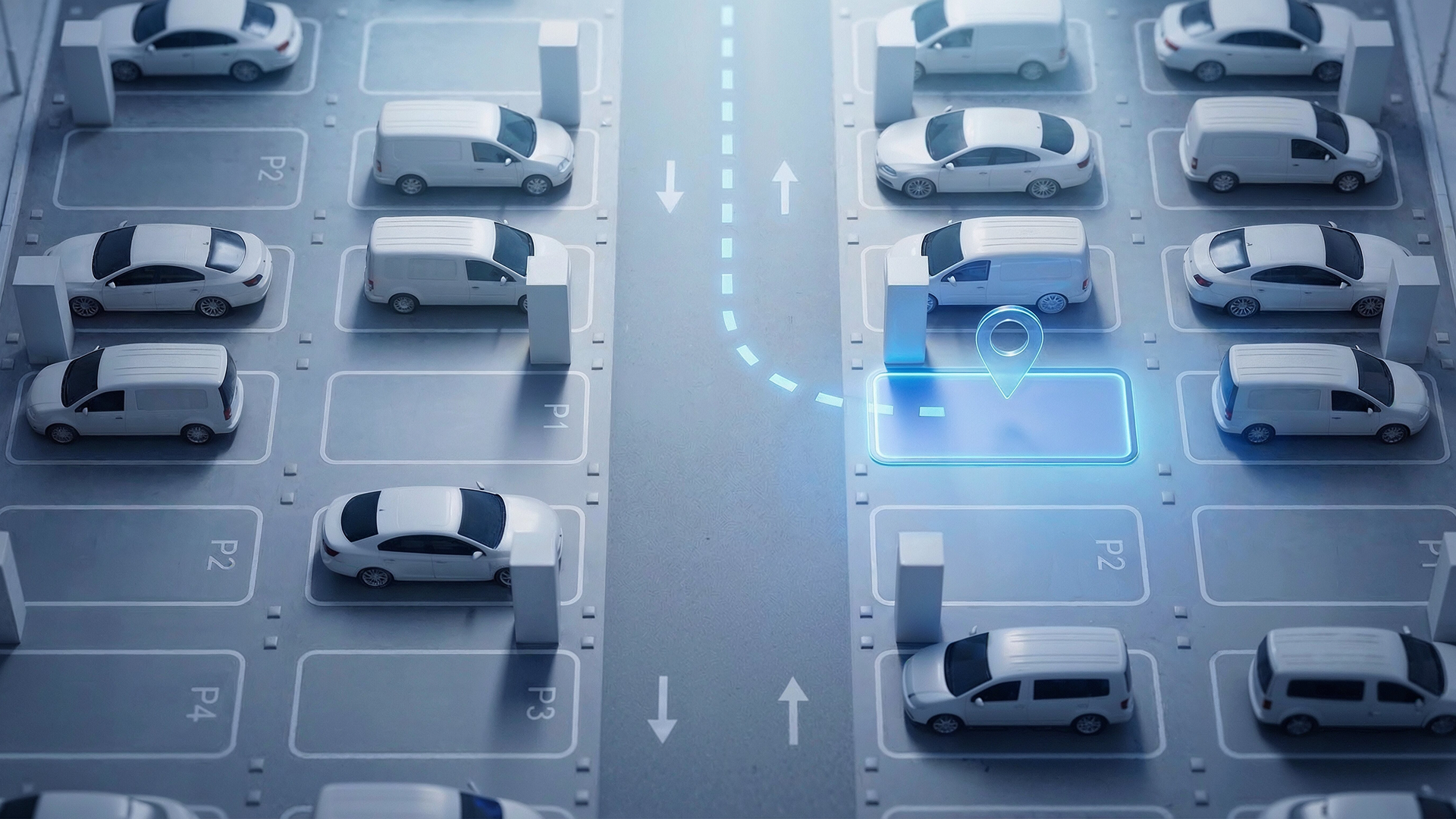
Get there. Each venue page shows opening hours, directions, parking capacity and cost, nearby transit, and cab booking. All from one screen, before the user leaves home.
Shop. Inside the venue, the app switches to a 3D floor plan showing the user's current location. Store categories are filterable. Parking payment happens inside the app — no separate machine, no paper ticket.
Come back. Each purchase adds to the cashback balance. Spending that balance requires returning to a participating store. The loop is closed at the product level, not through push notification campaigns.

We delivered concept strategy and product architecture
Competitive landscape analysis across navigators, aggregators, and mall-specific apps. UX flows and UI design for iOS and Android. Rewards hub system design. Brand identity. Go-to-market framework covering user acquisition and store partner onboarding.
The concept was developed as a full product foundation — research, positioning, prototype, financial model, and roadmap — ready for a development team to take into build.